
The NEV purchase tax exemption is set to transition to a 50% reduction in two months, coinciding with the new 100km minimum all-electric range rule for plug-in hybrids, creating a dual countdown. Securing orders before the December 12th deadline for non-compliant model applications has become a critical "survival line" for automakers.
At these key points, many automakers are rolling out promotions to secure orders. On October 25th, Deepal Auto launched a "Cross-year Delivery Purchase Tax Cash Subsidy Plan." Nio, Xiaomi, Li Auto, Zeekr, and others have introduced similar plans, offering purchase tax price protection for 2024 orders. Behind this "self-funded" move is the year-end sales push. Facing long delivery cycles and potential market growth, automakers are leveraging the NEV purchase tax adjustment window to boost sales. Meanwhile, consumers oscillating between catching the last train and waiting patiently make the Q4 "golden window" competition highly unpredictable.
Startups' "Order-Lock Countdown" vs. Legacy Automakers' "Discounts on Ready-to-Drive Vehicles"
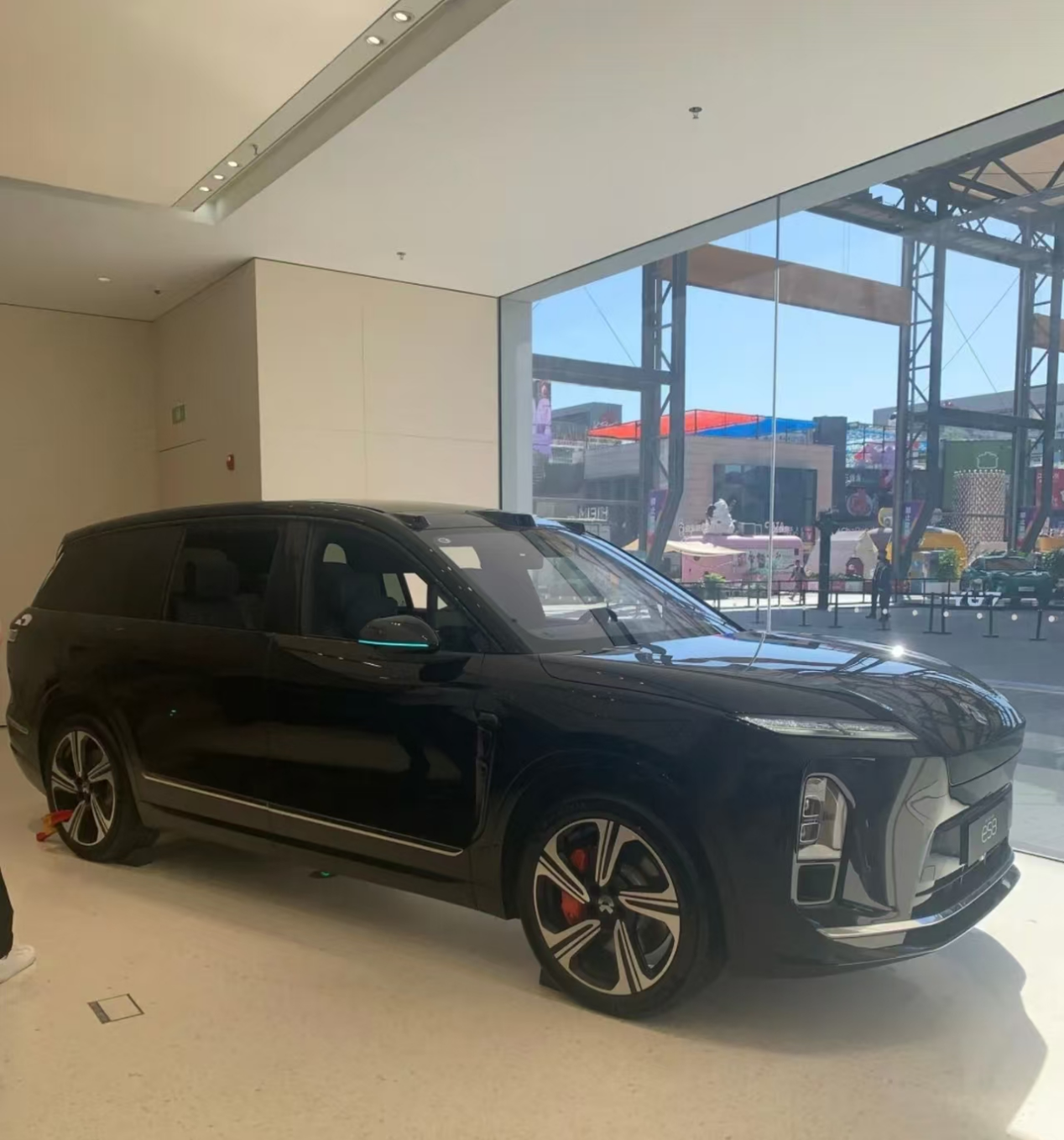
At a Nio center in Beijing, sales consultants consistently emphasize: "Lock your order before December 31st, and you'll enjoy full purchase tax exemption even for delivery next year." Beside the new ES8 display, they explain the cross-year delivery subsidy – if Nio's production causes a 2026 delivery, users get up to 15,000 yuan to cover the difference. This strategy addresses a key user concern: post-policy change, purchase tax for 300,000 yuan-level models increases by roughly 15,000 yuan. By tying the lock-in date and defining responsibility (only for company-caused delays), Nio mitigates user delay risk while providing certainty for order conversion.
In contrast, at a BYD dealership, the sales pitch emphasizes "immediate availability" and "limited-time discounts." Sales staff highlight a price protection policy covering all plug-in hybrid and pure electric models: complete the purchase and invoice before December 31st to get the tax difference subsidy, often combined with 10,000 yuan cash discounts and up to 8,000 yuan trade-in subsidies, totaling nearly 30,000 yuan in benefits. Unlike startups focusing on hot models, BYD's coverage includes almost all models, even soon-to-be-discontinued older plug-in hybrids: "Even older models with 80km range qualify for subsidies if application is submitted before December 12th."
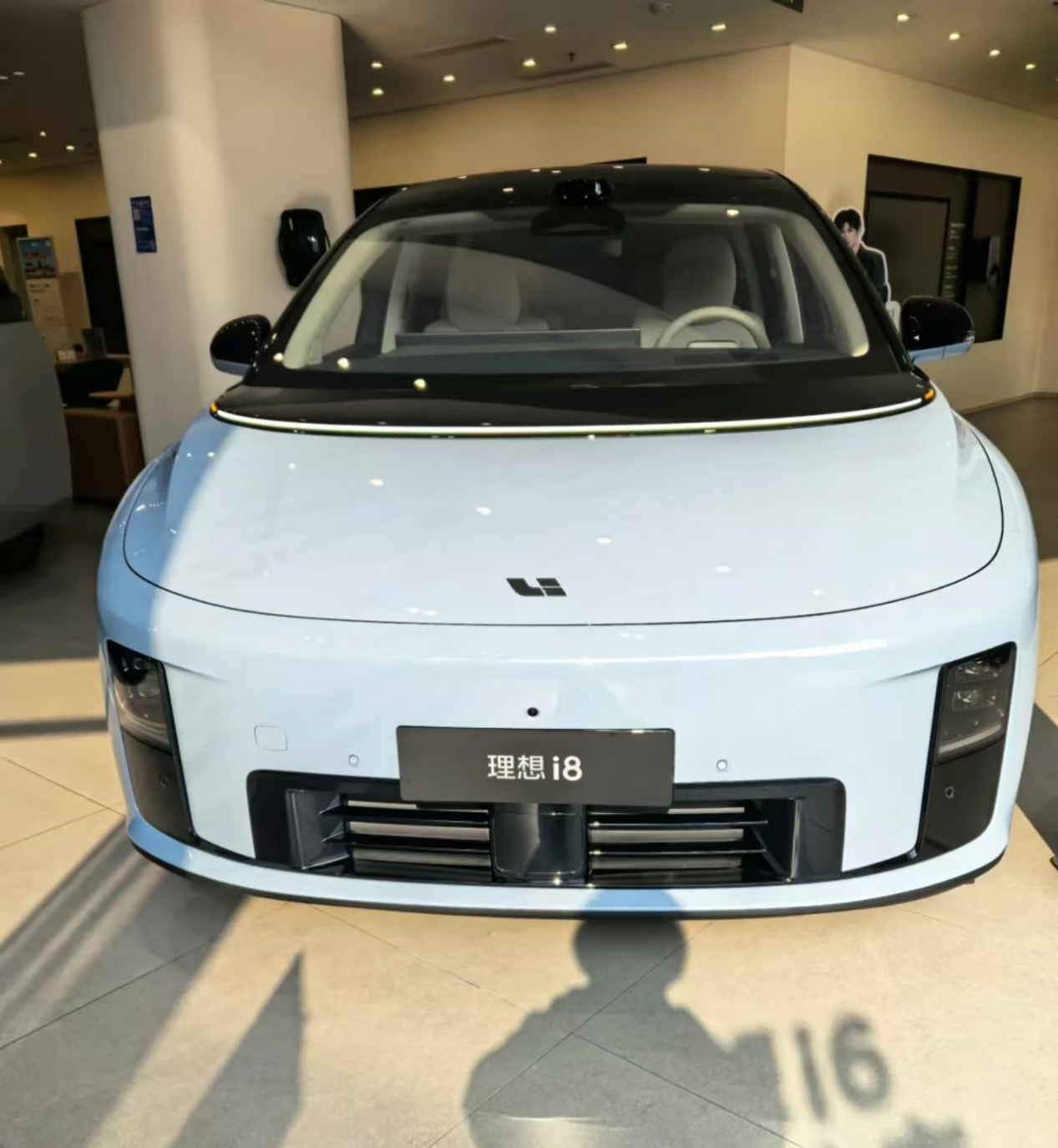

This disparity highlights differences in automakers' cost structures and strategic focus. Startup brands like Nio, Li Auto, and Xiaomi, whose main models are concentrated above 250,000-300,000 yuan, find the purchase tax subsidy directly impacts user decisions and allows them to quickly build trust via "price protection promises." For instance, Xiaomi offers up to 15,000 yuan off the final payment for orders locked before November 30th, a policy carefully designed to cover "delayed cross-year delivery due to company reasons," mitigating user-caused delays while lowering barriers via "seamless redemption." Legacy automakers, leveraging economies of scale and supply chain power, prefer achieving similar effects through financial schemes (e.g., 0% APR for 5 years) or immediate vehicle discounts.
Policy Anxiety Fuels a Buying Rush, But Rational Choices Are Taking Over
It is understood that China's vehicle purchase tax is calculated as 10% × [Invoice Price ÷ (1 + 13% VAT Rate)]. A common shortcut used by 4S stores is Invoice Price ÷ 11.3. An NEV store salesperson explained to Auto Business Review: "For a NEV with a 339,000 yuan invoice price, the purchase tax payable is 30,000 yuan. During the halved tax period, the tax would be 15,000 yuan." This means, using the 15,000 yuan subsidy cap as reference, NEV models with an invoice price above 339,000 yuan will incur over 15,000 yuan in purchase tax in 2026.
"We receive over a dozen inquiry calls daily, 90% asking about the purchase tax policy," revealed a salesperson at a Beijing startup brand. Among his orders, over 60% chose to lock in before November 3rd to secure the subsidy. This "last-minute mentality" is particularly pronounced in the 300,000 yuan+ market – consumers fear a sudden cost increase post-policy change, coupled with generally longer delivery cycles for popular or premium models, making price protection policies key to eliminating uncertainty.
However, not all consumers are rushing to buy. In a Tesla store, a potential Model Y buyer remarked, "There isn't much room for price drops now; it's better to wait for year-end dealer promotions for a better deal." His hesitation reflects a segment of watchful consumers: while automaker price protection covers the tax difference, combining it with potential future discounts might lead to even lower costs. For sub-100,000 yuan models like the Wuling Bingo, the tax difference is only a few thousand yuan, making cash discounts more likely than complex subsidies, leading some consumers to wait for potential post-policy change bargains.
A deeper divergence lies in demand scenarios. Users with immediate needs (e.g., household additions, license plate requirements) tend toward "buying now," while upgrade-focused users pay more attention to long-term costs. A prospective Nio ET7 buyer noted, "The BaaS battery rental scheme already lowered the entry barrier by 70,000 yuan; the purchase tax subsidy is just the icing on the cake." This rational consumer behavior forces automakers to adjust strategies – mere price subsidies are less effective; combining price protection with enhanced product strengths (e.g., range, autonomous driving) is now essential to truly win over customers.
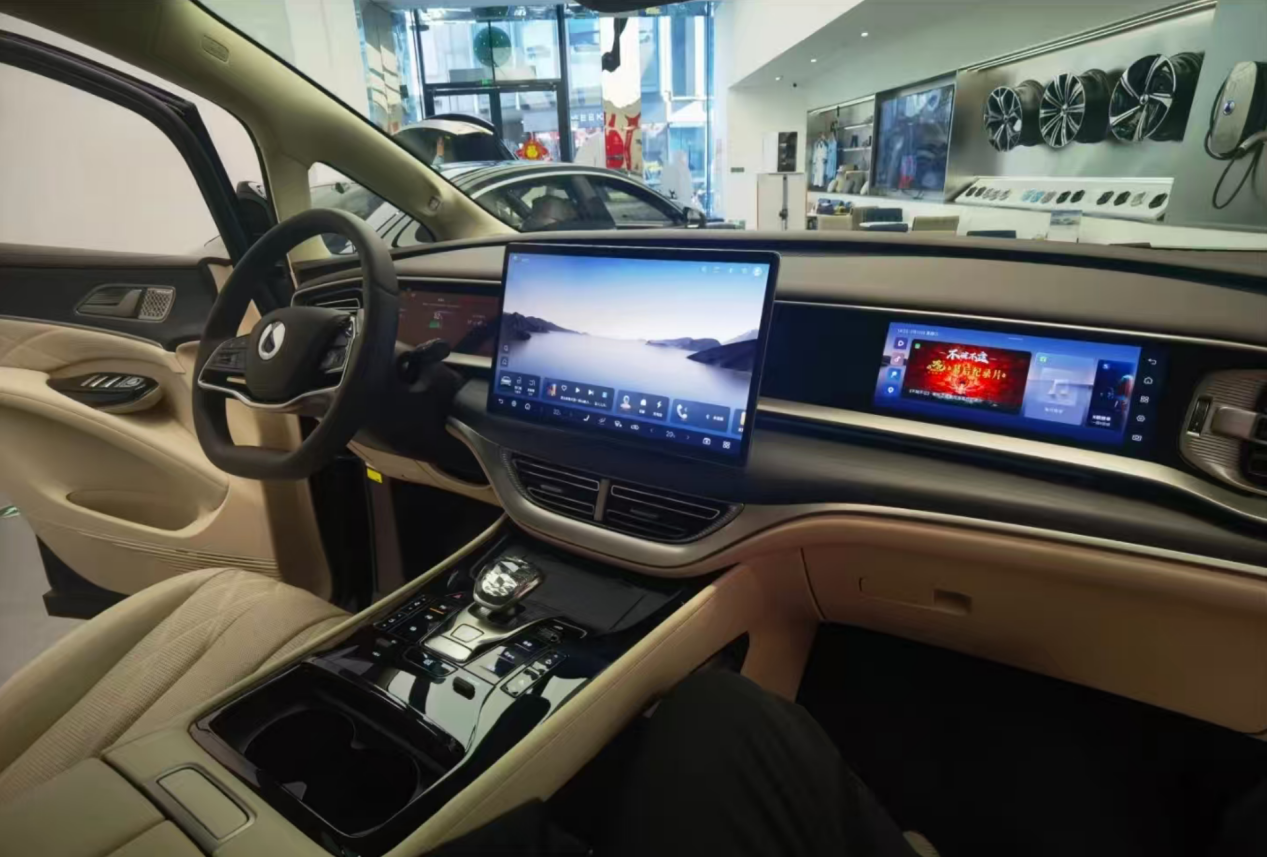
The dual pressures of the purchase tax phase-out and rising technical thresholds are reshaping industry competition. Raising the minimum all-electric range for plug-in hybrids from 43km to 100km will eliminate nearly 30% of low-range models from the market, forcing automakers to accelerate technological upgrades. An automaker executive stated that failure to modify and submit models for approval by the December 12th deadline would result in loss of tax exemption eligibility, allowing rivals to capture their market share.
According to Car Research, market polarization is becoming evident. Among the startups, a divide is clear: leading brands leverage their financial strength to offer purchase tax price protection policies, targeting the premium market, while smaller tail-end brands struggle, unable to offer substantial subsidies or effective price cuts. Among legacy automakers, BYD and GAC Aion are solidifying their lead through tech upgrades (e.g., BYD's 5th-gen DM hybrid system), while second-tier brands are forced to streamline their product lines. The CPCA forecasts a potential year-on-year NEV sales increase exceeding 50% in Q4 2025, but profit margins will further concentrate among the leaders, with some companies possibly seeing gross margins drop by 2-3 percentage points.
The auto market in Q4 is entering a "golden window". The China Passenger Car Association (CPCA) predicts October NEV retail sales will reach 1.32 million units, with the penetration rate potentially rising to 60%. Anticipated purchases in Q4 could push total NEV sales past 4 million units. However, beneath this growth trend, the market structure is shifting. Legacy automakers, with their broad model lineups and stable subsidy strategies, are poised to consolidate their advantages. BYD has raised its Q4 sales target to 1.5 million units, aiming to ride the policy tailwinds toward an annual goal of 4.6 million units. Conversely, for some companies failing to achieve a sales breakthrough by November-December, their annual targets will be nearly impossible. Some brands have already begun narrowing subsidy coverage, prioritizing order conversion for popular models.

The over two-month policy transition period is profoundly impacting the competitive landscape of the new energy vehicle market. For startups, stopgap policies are short-term ammunition to gain market share, but long-term competitiveness still hinges on technological breakthroughs and cost control. For legacy automakers, this policy adjustment presents both a challenge and an opportunity; their future standing will depend on whether they can successfully transform their strengths in internal combustion engine supply chains into momentum within the NEV sector.
For consumers, the dilemma between leveraging policy benefits or waiting for product upgrades reflects a market shift from "price sensitivity" to "value orientation." Regardless, the final two months of the policy window remain a golden period for car purchases. Whether rushing to lock in subsidies before December 31st or waiting for year-end promotions, rational choices should be based on individual needs: those with immediate needs can use the policy incentives to secure a good deal, while those seeking upgrades can wait for new model’s post-technical iterations. As the December 12th application deadline approaches, the fourth quarter's "golden window" is becoming a critical battleground for automakers.




 Room 1104,Block B,JingBan Building,6 Middle Beisanhuan Road,Xicheng District,Beijing
 (8610)62383600
 quanqixiang@carresearch.cn
Follow us
Scan the QR code to follow our official WeChat account车市睿见 Interact on MicroBlog@车市睿见
 京公网安备:11010202007638号|京ICP备17032593号-2|Report illegal and bad information:010-65993545-8019 jubao@carresearch.com
Legal support:Beijing Yingke Law Firm|All rights reserved, DO NOT reproduce without permission

 News
News